If you want to lose belly fat after menopause, the most helpful shift is usually moving away from pressure and toward a routine that supports appetite balance, recovery, sleep, movement, and long-term consistency more effectively.
This stage can feel confusing because the body often changes in ways that are easy to take personally. Many women notice that fat gathers more around the waist, cravings feel harder to manage, recovery feels slower, and results seem less predictable than before. That does not mean progress is impossible. It usually means the routine needs to match what the body is responding to now.
One reason this feels different is that menopause can affect where fat is stored. Instead of carrying weight the same way as before, many women begin noticing more abdominal weight gain, even when their overall habits do not seem dramatically different. On top of that, poor sleep, higher stress, lower daily movement, and loss of muscle can make the process feel even slower.
Why belly fat often feels more stubborn after menopause
The most frustrating part is that belly fat after menopause rarely responds well to extreme plans for very long. Cutting food too aggressively may increase hunger, lower energy, and make the routine harder to sustain. That often leads to a cycle of strict effort followed by inconsistency, which makes the whole process feel even more discouraging.
In real life, abdominal fat in this stage is often influenced by several things at once:
- lower estrogen and changing fat distribution
- poorer sleep and nighttime waking
- higher stress and more cortisol-driven cravings
- less muscle mass and lower daily energy expenditure
- more convenience eating during busy or tired days
This is why it helps to stop seeing belly fat as a single problem with a single fix. Usually, it reflects the whole routine. When food quality, appetite support, movement, sleep, and recovery all improve together, the waist area often becomes much easier to influence over time.

Support that fits a calmer routine
A support recommendation tends to work better when it appears inside an article that already gives the reader context, clarity, and a more realistic path to consistency.
What usually helps more than dieting harder
The women who usually do best in this phase are often not the ones following the harshest plan. They are the ones reducing friction in the right places. They make meals more satisfying, protein more consistent, movement more repeatable, and sleep more protected.
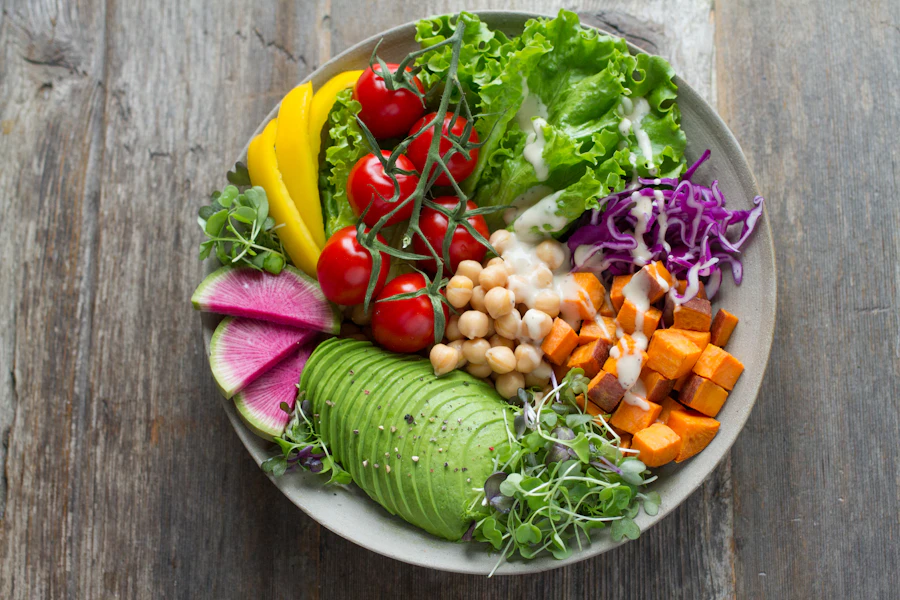
Start with food structure first. Meals built around protein, fiber, and whole-food volume usually make the day feel easier to manage. They help reduce the pattern of under-eating early, then overeating later when fatigue and hunger are higher.
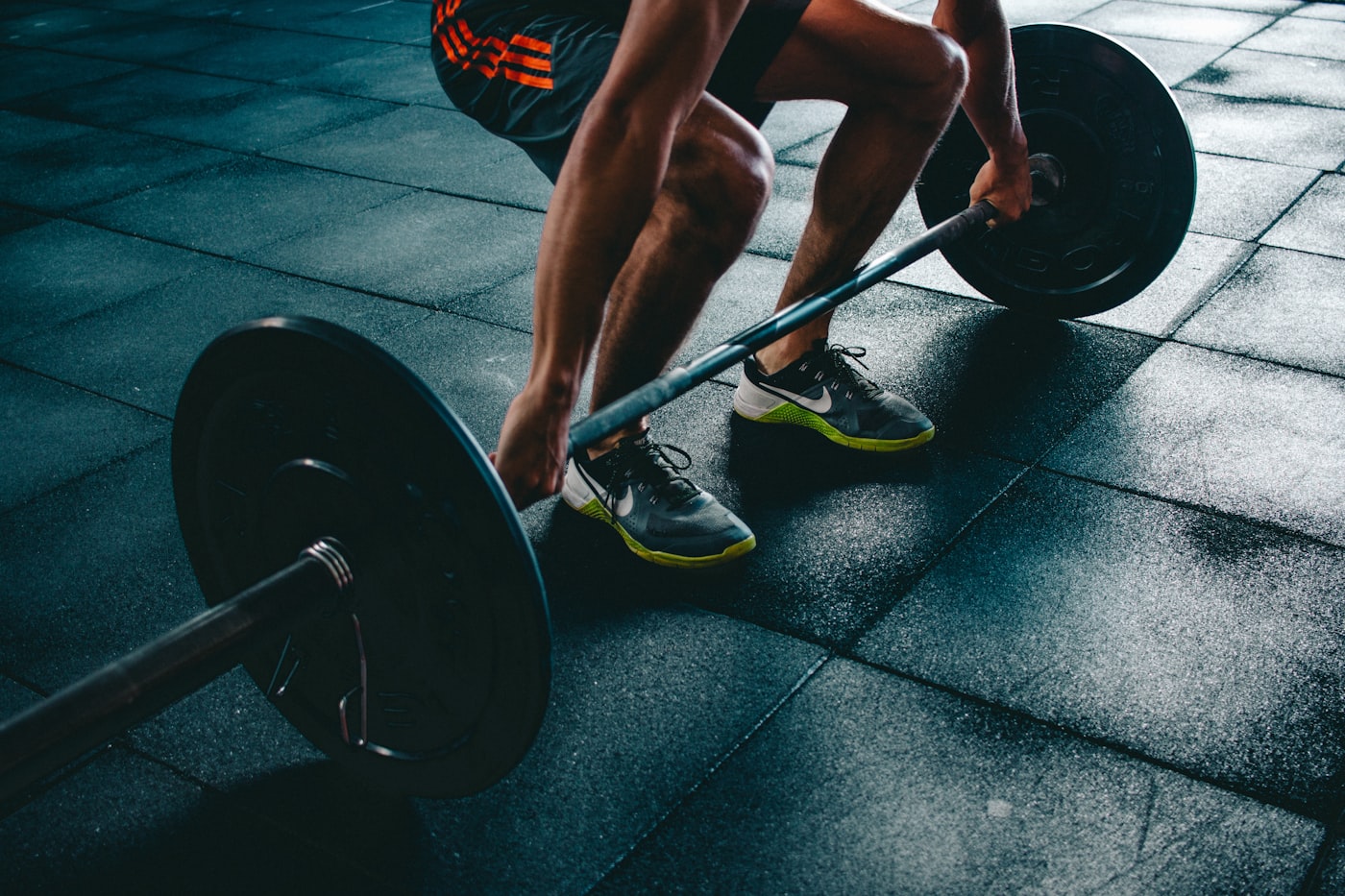
Walking also becomes more valuable here than many people expect. It is easier to recover from, easier to repeat, and easier to combine with an already busy life. The same is true for basic strength training. Preserving muscle matters because muscle helps support metabolism, stability, and better long-term body composition.
Sleep and stress matter more than many women think
If sleep is broken, the whole routine usually feels harder. Hunger rises, cravings feel louder, patience goes down, and the day becomes easier to run on quick food and low-energy decisions. Stress creates a similar effect. Even if calories matter, the routine becomes much harder to carry when recovery is poor.
This is why some women feel like they are doing “everything right” and still not seeing much change around the waist. Often, they are focusing on the visible part of the routine while the invisible part — recovery, sleep, nervous system load, and consistency — is doing just as much to shape the result.
How to build a more effective menopause belly fat routine
A better routine usually feels simpler than expected. It might look like:
- protein-centered meals two to three times per day
- more walking built into the week
- basic resistance training a few times per week
- fewer liquid calories and less random snacking
- more consistency with sleep timing
- less reliance on all-or-nothing dieting
The goal is not to create a perfect plan. It is to create one that still works when life is normal, tiring, or imperfect. That is usually where real change starts becoming possible again.

A lower-friction support angle
Readers often respond better when support is presented as part of a realistic routine, not as a replacement for better structure, sleep, and repeatable daily habits.
What to remember when progress feels slow
Belly fat after menopause usually improves best when the routine becomes more supportive, not more punishing. It may take longer than many women want, but the more realistic the structure becomes, the easier it is to keep long enough for the result to show.
It also helps to remember that visible changes at the waist do not always appear first. Better energy, fewer cravings, better digestion, steadier hunger, and more consistent habits often show up earlier. Those changes matter because they usually make fat loss more sustainable later.
Why menopause changes the routine, not just the waistline
That is why this phase usually needs more than a harder push. The routine itself often has to become more supportive, more repeatable, and more realistic for the way the body is responding now.
What usually matters more than dieting harder
In practice, better appetite support, steadier meals, walking, recovery, and a calmer structure usually create more useful momentum than trying to force faster visible change.
If you want to lose belly fat after menopause, the smartest approach is usually the one that helps your body feel more supported and your routine feel easier to repeat. That is what gives progress a better chance to actually last.
It also helps to remember that progress in this stage often looks better when you measure more than the waistline alone. Better hunger control, steadier energy, improved digestion, calmer cravings, and a more repeatable routine are usually signs that the process is moving in the right direction.
For a natural next step, explore how to lose weight after 40, how to lose belly fat for women, and why weight loss sometimes feels slower than expected.